
Articles and blog posts
Lessons for Actors That Work for Real People Too
Not lessons for you, but lessons I’ve learned. Thoughts on performance, art, teaching,
and training to be a decent person…
You'll also find other articles related to different theatre styles and theorists throughout.
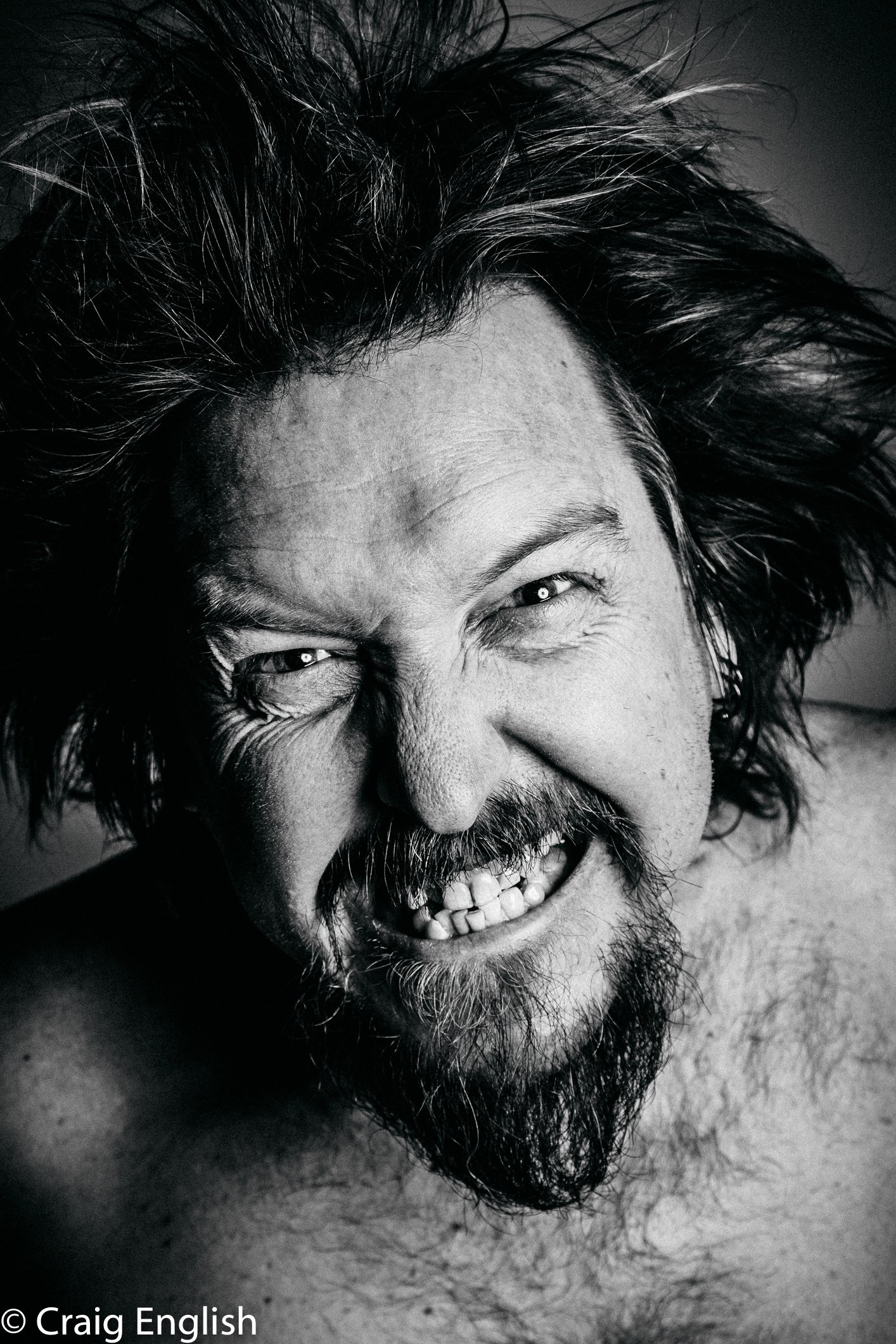
Inner Conflict
Inner conflict makes for interesting tension within the core of an actor’s character. Often its stillness is mistaken for a solid basis or core when really it is the ongoing dynamic between two forces in opposition.

This Is Training
If this is training, what are you training for?
The form is a means to an end. Anything can become the form if an extraordinary awareness is brought to a practice, because it is not the form you are training to perfect, but training to be what you practice.
Be conscious of what you already practice is the first step. Without judgement, consider your habitual responses to different situations; what behaviours you practice, what attitudes you practice. If as much consistency was placed into any other type of behaviour, wouldn’t it naturally become that?
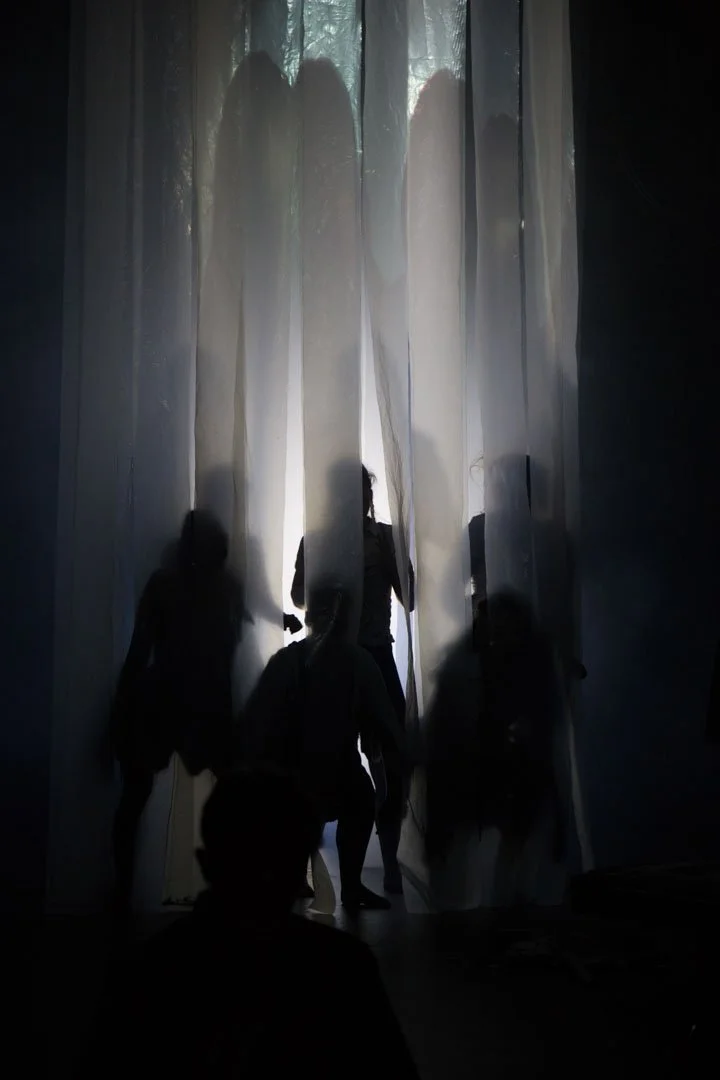
Grasping
Grasping is an ego response to fear borne from awareness. It’s about highlighting what you are holding on to. It is about an understanding of Anicca/ Anitya – not only that this too will pass, but it is also about the moment, about the being, the presence. All of this is here then gone. All is impermanent. Grasping is trying to stop the inevitable, trying to make something that can’t be owned your own. What you are left with is disappointment, so you hold on to that.
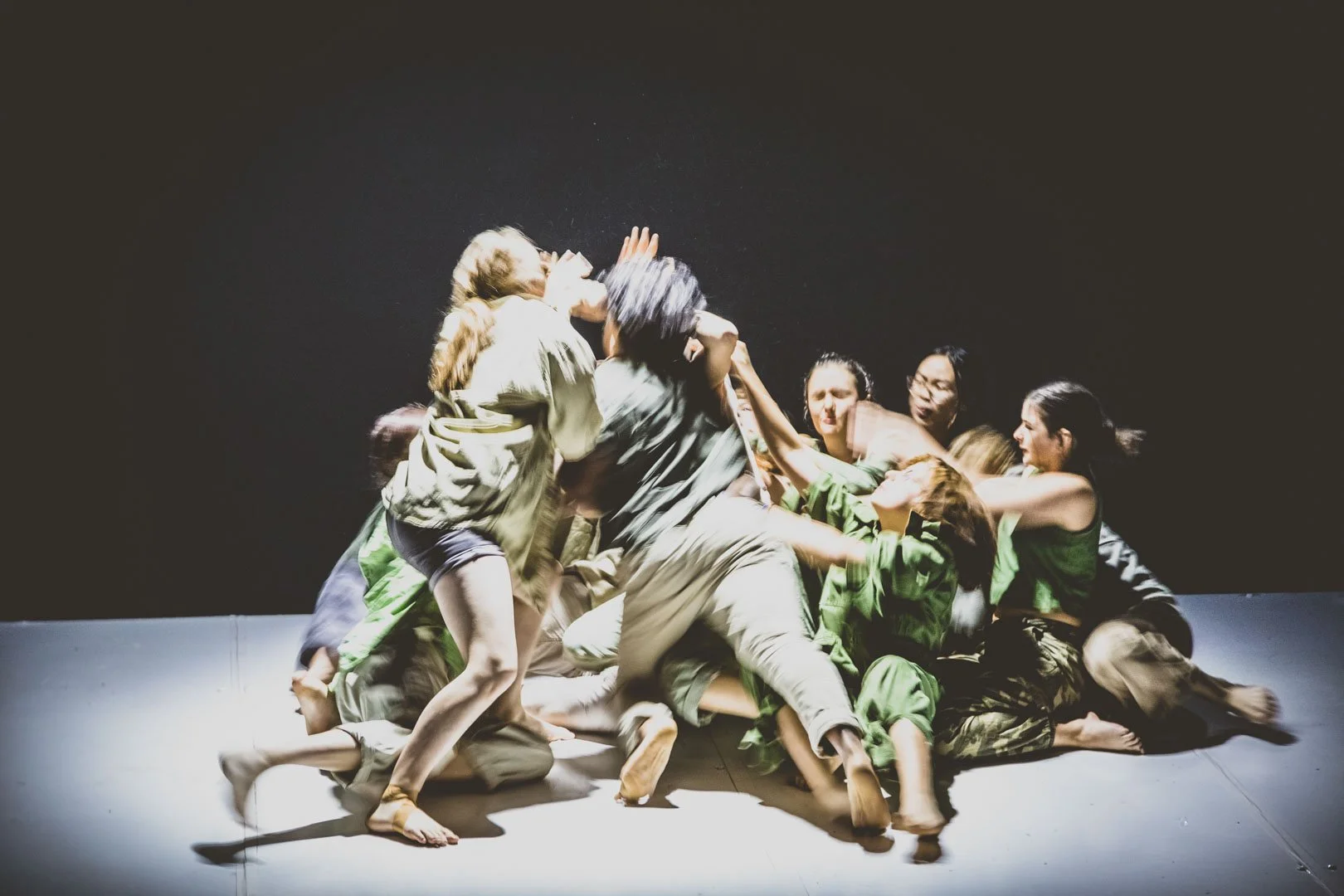
Engaging with What Is
When you encounter an emotion or sensation, don’t try to push it away or ignore it in preference of ‘correctly’ completing the form. The form was what gave you that experience to work on, so it’s already doing what it needs to do. Your job is to use what it gives you as a means of finding a truthful moment, free from the burden of judgement, tension, self, or ego.

Indifference is the Antithesis of Performance
When you see actors training in the Suzuki Method of Actor Training, one of the most surprising features is the calm, stoic expression on their faces as they engage in rigorous and demanding physical exercise that, if performed as exercise in a gym, would be accompanied by grunting, grimacing and grand-standing.

Transcending the Form
A sense of wonder is a powerful motivation. The broader and more encompassing it is and the more it is used to explore every avenue of life, the more depth and complexity the experience. Having that wonder leads to a curiosity and the curiosity to a passion; the desire to find out more and more.
That passion can engender an understanding and, if you’re lucky, an epiphany. Connections are made to prior knowledge in a way that clarifies the previously unknown. New skills and perspectives become available and greater possibilities open up.
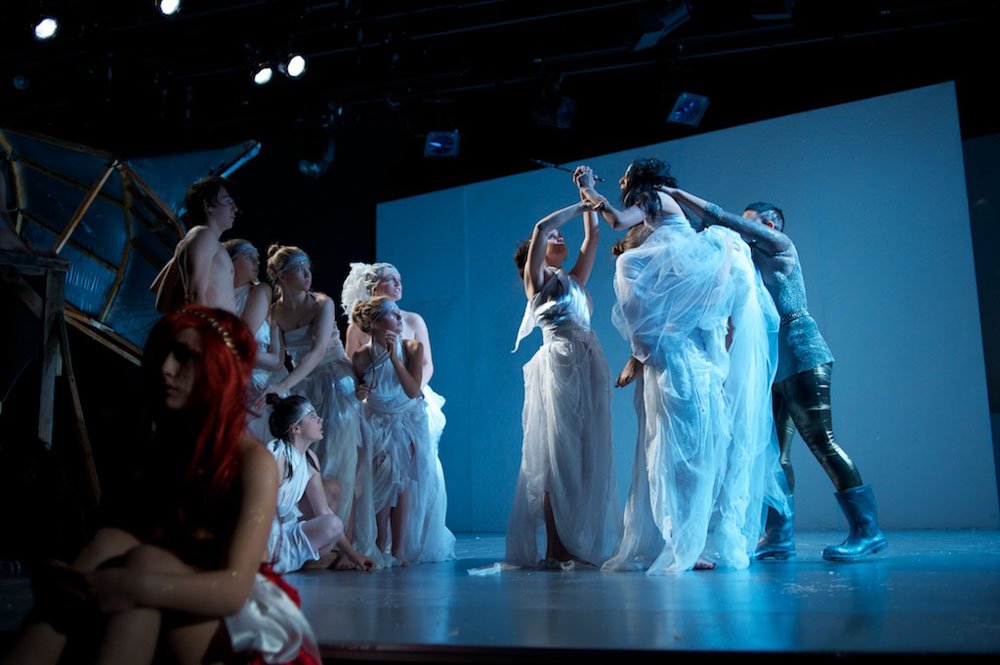
The Whole Body
There is a tendency for people to focus on individual elements of their appearance.
My nose is too big. My eyes too close together. My chin repeats itself. My legs are too thick. My legs are too thin. We have been raised to believe that ugly is amoral.
We never manage to focus holistically, only managing to piece together an image that is the accumulation of individual pieces. Others have a greater perspective on us than we have on ourselves – they can see the back of our head, or our nose. We see them, their noses and backs of heads, and figure that we must have something similar, but like most others we still judge on singular aspects based on our personal hierarchy of important features, usually that which will make us seem the least judgemental or superficial.